one-time new patient offer $170 (includes comprehensive check up and clean, 3 sets of radiographs and fluoride treatment)

Up in Smoke: The Impact of Smoking and Vaping on Your Teeth
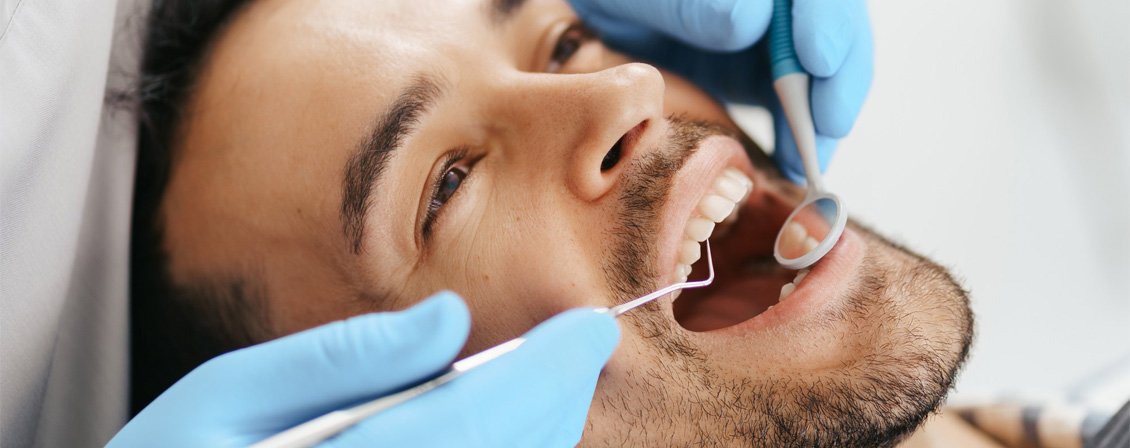

A smile is one of your most powerful assets, but the choices you make can dramatically affect its health and appearance. Smoking and vaping have become increasingly popular habits in recent years, but they come with a hefty price when it comes to oral health. In this comprehensive blog, we’ll explore the profound impact of smoking and vaping on your teeth, and why it’s crucial to reconsider these habits for the sake of your smile.

The Smoking Saga

For decades, the dangers of smoking have been well-documented, but its impact on oral health often remains underappreciated. Let’s take a closer look at how smoking can wreak havoc on your teeth:

1. Stained and Yellowed Teeth

One of the most visible effects of smoking is the staining and yellowing of teeth. The tar and nicotine in tobacco products infiltrate the porous enamel, leading to unsightly discoloration. Over time, these stains can become stubborn and resistant to conventional teeth-whitening methods, leaving you with a less-than-dazzling smile.

2. Bad Breath (Halitosis)

Tobacco smoke contains hundreds of chemicals, many of which are foul-smelling. These compounds can linger in your mouth, throat, and lungs, leading to persistent bad breath. Not only does this affect your social interactions, but it’s also a symptom of more severe dental problems that can arise from smoking.

3. Increased Risk of Gum Disease

Smoking is a significant risk factor for gum disease, also known as periodontal disease. It starts with inflammation and can progress to more severe stages, eventually leading to tooth loss if left untreated. Smoking interferes with your body’s immune response, making it harder to fight off gum infections. Moreover, it restricts blood flow, impairing the healing process.

4. Slower Healing and Complications After Dental Procedures

Smokers often experience slower healing and a higher risk of complications after dental procedures, such as tooth extraction or gum surgery. The reduced blood flow and compromised immune function associated with smoking can hinder the body’s ability to repair and regenerate oral tissues, potentially leading to delayed healing, infections, and implant failures.

5. Tooth Loss and Decay

Due to the increased risk of gum disease and compromised oral health, smokers are more prone to tooth loss. Smoking also contributes to cavities by promoting the buildup of plaque and tartar, two factors that accelerate tooth decay. Combined with a lack of proper oral hygiene, this can lead to a higher likelihood of tooth loss over time.

The Vaping Vortex

Vaping, often promoted as a less harmful alternative to smoking, has garnered significant attention in recent years. However, research is now uncovering its own set of concerns, especially regarding its effects on oral health. Here’s how vaping can impact your teeth:

1. Nicotine's Impact

Many vaping products contain nicotine, the same addictive substance found in traditional cigarettes. Nicotine narrows blood vessels, reducing blood flow to the gums and limiting the delivery of essential nutrients and oxygen. This can contribute to gum disease and hinder the body’s ability to fight infections.

2. Dry Mouth (Xerostomia)

Vaping can cause dry mouth, a condition where the mouth doesn’t produce enough saliva. Saliva plays a crucial role in maintaining oral health by neutralizing acids, rinsing away food particles, and preventing tooth decay. Without sufficient saliva, you’re at a higher risk of cavities, bad breath, and gum problems.

3. Chemical Exposure

The aerosol produced by e-cigarettes contains harmful chemicals, including formaldehyde and acetaldehyde, which can damage the cells that line your mouth and throat. This damage can increase the risk of oral cancers. While the risk appears to be lower than with traditional smoking, it’s still a significant concern.

Flavorings and Tooth Decay

Many vaping liquids contain sweet flavorings that can be appealing to users, especially younger individuals. Unfortunately, these sweeteners can contribute to tooth decay. The sugary residue left behind by flavored e-cigarettes can provide a breeding ground for bacteria, leading to cavities and gum issues.

The Way Forward: Breaking the Habit

Now that we’ve explored the dental pitfalls of smoking and vaping, you may be wondering about the best course of action. Quitting these habits is the single most effective step you can take to protect your oral health. Here are some strategies to help you break free:

1. Seek Support

Quitting smoking or vaping can be challenging, but you don’t have to do it alone. Reach out to friends, family, or support groups that can provide encouragement and assistance. Many online and community-based programs offer guidance and resources to help you quit.

2. Talk to Your Dentist

Your dentist is a valuable ally in your journey to quit smoking or vaping. They can provide personalized advice, recommend smoking cessation programs, and monitor your oral health as you progress. Dental professionals have seen firsthand the damage these habits can cause, and they are dedicated to helping you achieve a healthier smile.

3. Consider Nicotine Replacement Therapy

Nicotine replacement therapy (NRT) can be a useful tool for quitting smoking or vaping. It provides controlled doses of nicotine to help reduce withdrawal symptoms while you work towards complete cessation. NRT comes in various forms, including patches, gum, lozenges, and inhalers.

4. Set a Quit Date

Choose a specific date to quit smoking or vaping, and mark it on your calendar. This can help you mentally prepare for the change and give you a clear goal to work towards.

5. Identify Triggers

Recognize the situations or emotions that trigger your smoking or vaping habit. Whether it’s stress, social situations, or specific routines, understanding your triggers can help you develop strategies to cope without turning to tobacco or e-cigarettes.

6. Stay Persistent

Quitting any habit is challenging, and there may be setbacks along the way. Remember that relapses are common, but they don’t mean you’ve failed. Stay persistent, learn from your experiences, and keep working towards a smoke-free and vape-free life.

Conclusion

Your oral health is a crucial part of your overall well-being, and smoking and vaping can have devastating effects on your teeth and gums. From stained teeth and bad breath to gum disease and tooth loss, the consequences are numerous and often severe. Breaking free from these habits is not only possible but essential for a healthier smile and a brighter future. Take the first step today. Seek support, talk to your dentist, and commit to a smoke-free and vape-free life. Your teeth will thank you, and you’ll enjoy the benefits of a beautiful, healthy smile for years to come.