one-time new patient offer $170 (includes comprehensive check up and clean, 3 sets of radiographs and fluoride treatment)

Are Veneers Healthy for My Teeth? Understanding the Pros and Cons
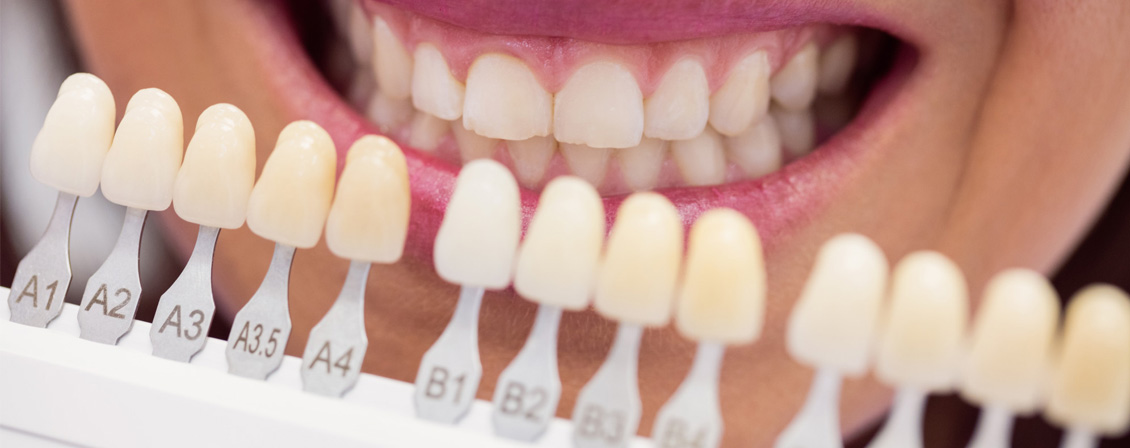

Veneers have become a popular cosmetic dental option for achieving a stunning smile transformation. These thin shells, typically made from porcelain or composite resin, are custom-fitted to the front surface of your teeth to mask imperfections and create a bright, even, and attractive appearance. However, one common question that arises when considering veneers is, “Are veneers healthy for my teeth?” In this blog, we’ll explore the advantages and disadvantages of veneers to help you make an informed decision about their impact on your oral health.

Chapter 1: The Basics of Veneers

Before delving into their impact on oral health, let’s understand the fundamentals of veneers:

Types of Veneers:

There are two primary types of veneers—porcelain and composite resin. Porcelain veneers are known for their durability and natural appearance, while composite resin veneers are more affordable and can be placed in a single visit.

Veneer Procedure:

Getting veneers typically involves a multi-step process. This includes consultation, tooth preparation (minimal enamel removal), impressions, custom veneer fabrication, and bonding the veneers to your teeth.

Chapter 2: Advantages of Veneers

Veneers offer several notable advantages:

Cosmetic Enhancement:

Veneers can effectively address various cosmetic issues, including stained or discolored teeth, misalignment, gaps, chips, and uneven shapes, providing an immediate smile makeover.

Stain Resistance:

Porcelain veneers are highly resistant to staining, which means your new smile will stay vibrant and white for a long time.

Minimally Invasive:

Compared to some other cosmetic procedures, veneer placement typically requires minimal enamel removal, preserving the structural integrity of your teeth

Durability:

Porcelain veneers are known for their durability, and when properly cared for, they can last for many years.

Chapter 3: Potential Impact on Oral Health

Now, let’s address the question at the heart of this blog: Are veneers healthy for your teeth?

Protection of Damaged Teeth:

Veneers can provide protection to teeth that are cracked or damaged. By covering the tooth’s surface, they shield it from further harm.

Resistance to Staining:

Veneers are highly resistant to staining, which can be advantageous for maintaining a bright, white smile.

Maintenance of Tooth Structure:

Minimal enamel removal is required during the veneer preparation process, preserving more of your natural tooth structure compared to some other dental procedures. However, it’s essential to acknowledge that veneers are not without potential drawbacks:

Chapter 4: Potential Drawbacks of Veneers
Irreversible:

The process of preparing teeth for veneers involves the removal of a small amount of enamel, which is an irreversible procedure. Once enamel is removed, it does not grow back. This means that if your veneers ever need replacement, you will always need veneers or another restorative option.

Sensitivity:

Some individuals may experience increased tooth sensitivity after getting veneers, especially in the immediate aftermath of the procedure. This sensitivity is usually temporary but can be a concern for some.

Veneer Replacement:

Veneers, while durable, may require replacement after several years. Over time, they may become chipped, cracked, or discolored, necessitating a new set of veneers.

Chapter 5: Maintenance and Oral Care with Veneers

To ensure the health of your teeth and the longevity of your veneers, proper care and maintenance are crucial:

Oral Hygiene:

Continue to practice excellent oral hygiene by brushing, flossing, and rinsing with an antimicrobial mouthwash regularly. This helps prevent gum disease and decay beneath or around the veneers.

Regular Dental Check-ups:

Maintain regular dental check-ups and cleanings to monitor the health of your veneers and address any issues promptly.

Avoiding Certain Habits:

Refrain from chewing on hard objects, such as ice or pens, as this can damage veneers. Similarly, avoid habits like nail-biting or using your teeth as tools.

Stain-Reducing Habits:

Limit consumption of staining foods and beverages like coffee, tea, and red wine. If you do consume these, rinse your mouth with water afterward.

Chapter 6: Choosing the Right Option for You

Whether veneers are a healthy option for your teeth depends on your specific oral health, cosmetic goals, and lifestyle:

Consultation:

Schedule a consultation with your dentist or a cosmetic dentist to discuss your goals and assess your oral health. They will help you determine if veneers are a suitable choice for you.

Consider Alternatives:

Explore alternative cosmetic options, such as teeth whitening, bonding, or orthodontic treatments, if veneers may not be the best fit for your needs.

Budget:

Consider your budget and insurance coverage when deciding on veneers or alternatives. Veneers tend to be an investment, so it’s important to plan accordingly.

Maintenance Commitment:

Be prepared to commit to proper maintenance and oral care to ensure the longevity and health of your veneers.

Chapter 7: Conclusion

Veneers can be a healthy choice for your teeth when used for the right reasons and with proper care. They offer a way to enhance your smile and protect damaged teeth while maintaining a natural appearance. However, it’s essential to be aware of the potential drawbacks and commit to maintaining good oral hygiene and regular dental check-ups. Ultimately, the decision to get veneers should be made in consultation with a qualified dentist who can assess your unique needs and help you achieve the healthy, beautiful smile you desire.